






Pulse Width Modulation
Pressure-based rate control has become the norm on agricultural crop sprayers around the world, however there are some inherent drawbacks with this method of control. By fluctuating the spray pressure to maintain the rate as forward speed changes, droplet size and therefore efficacy and drift characteristics are effected. As a result nozzle choice is a compromise, often with multiple sets required to achieve the operators targets.
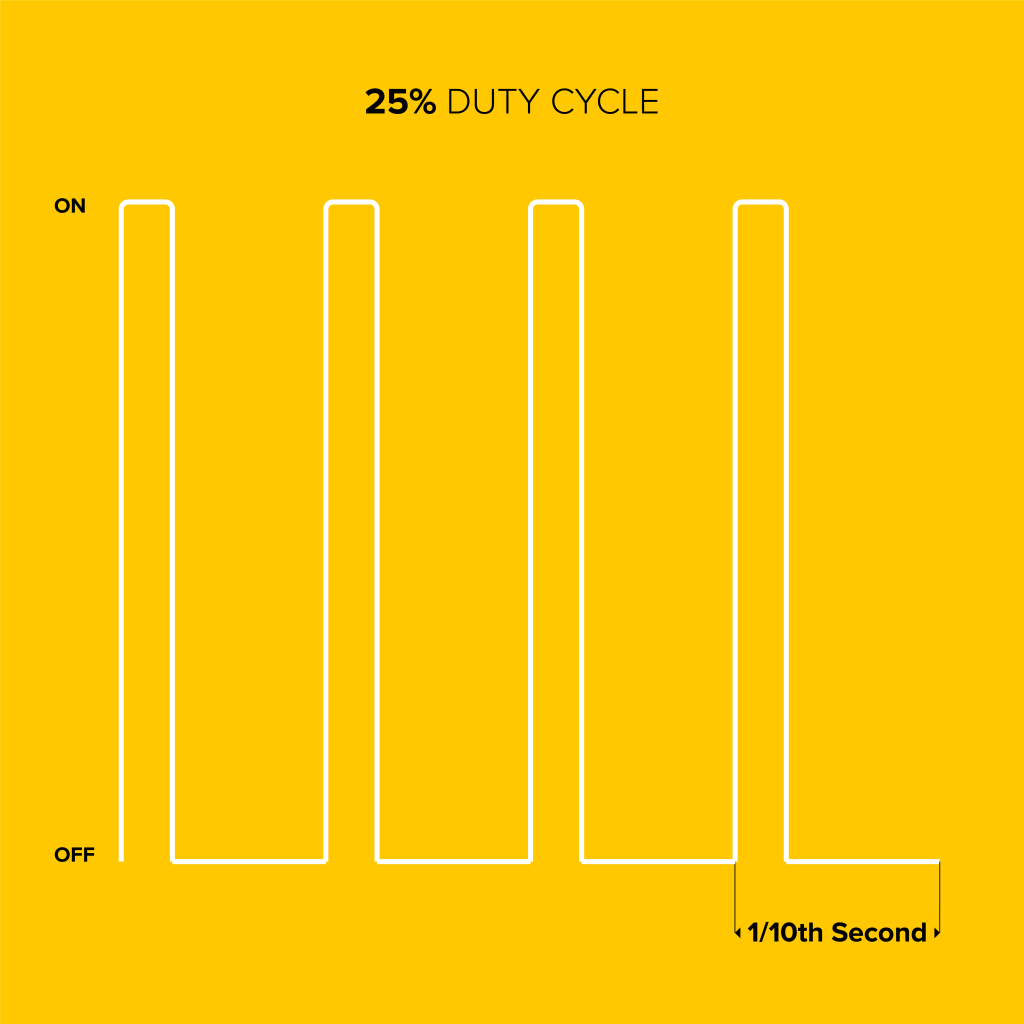
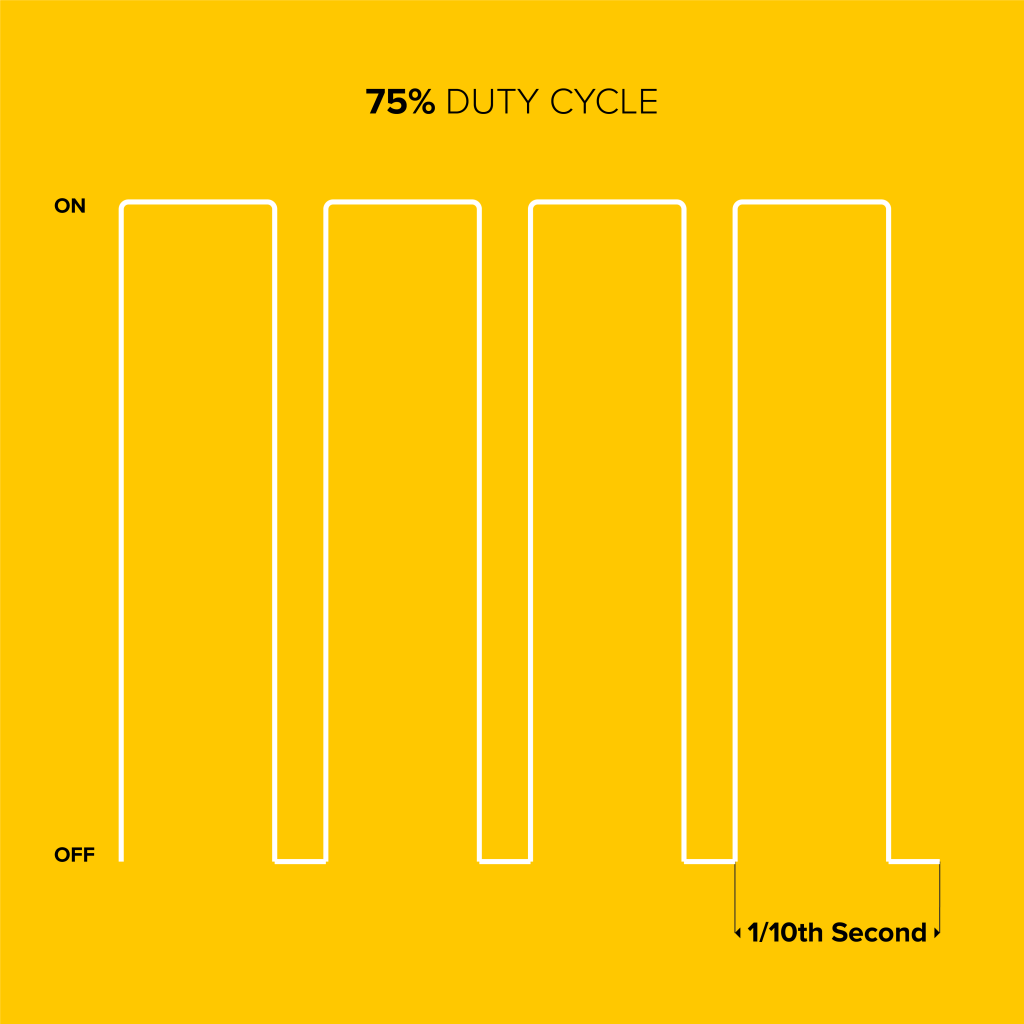
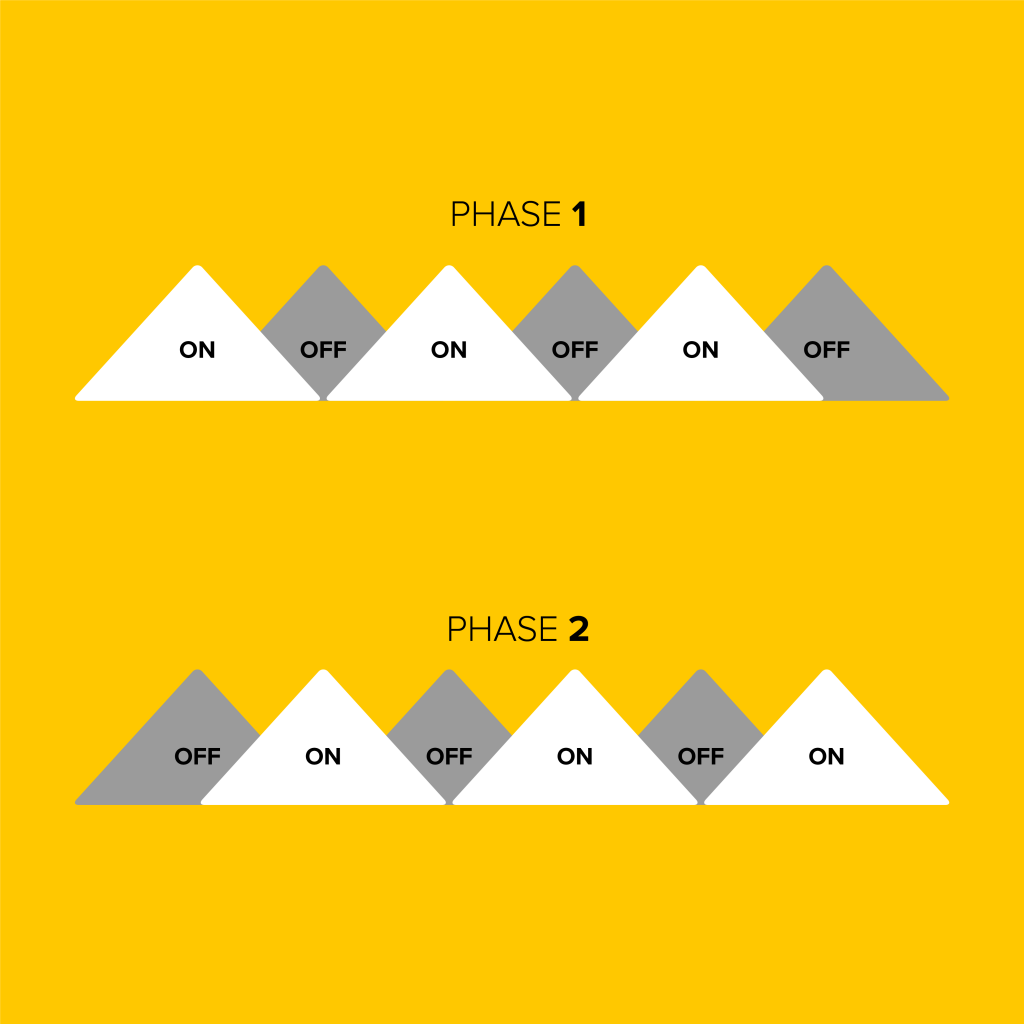
Pulse Width Modulation (PWM) offers solutions to these issues and whilst increasing spray efficacy at the same time. On a PWM system each nozzle body is fitted with an electric solenoid that pulses the spray on and off multiple times a second, this can be anywhere between 10-40Hz (pulses per second). Rate changes are achieved by varying the duration the nozzle is in the “on” position or “duty cycle”. This duty cycle is changed in relation to changes in forward speed, allowing instant rate control at each spray nozzle, with the pressure being fixed at all times to give a consistent droplet size across the whole field.
Features such as turn compensation, individual nozzle control and the ability to change the droplet size from the drivers seat, offer Chafer customers the opportunity to maximise application efficacy like never before.

PWM: What does it offer growers?




The Facts: How does PWM work?